
Hi, I'm Marc Dorsen, and I call Rhode Island home. Craig "The Water Guy" Phillips reached out asking if I'd share my real-world experience as a homeowner with the SoftPro ECO™ City Water Softener - Best Water Softener Systems for City Water that I invested in. Here's exactly how my journey unfolded, and I genuinely hope my story helps guide your decision-making process.
The Hard Water Reality That Changed Everything
Did you know that Rhode Island's municipal water supply contains an average of 8-12 grains per gallon of hardness minerals?
I certainly didn't until my daily life became a constant battle against calcium and magnesium buildup. Living in a 1,200 square foot colonial built in 1987, I thought the white film coating my glassware and the crusty deposits around my faucets were just normal homeowner challenges.
The real wake-up call came during a particularly frustrating Tuesday morning in March 2023. My Keurig coffee maker, barely eighteen months old, started producing coffee that tasted metallic and bitter. When I opened the water reservoir, I discovered thick, chalky buildup coating the internal components. That same week, my wife Sarah noticed her hair felt increasingly dry and brittle despite switching to expensive salon shampoos.
Our water heater became another casualty. The unit, installed just four years prior, began making strange rumbling sounds during heating cycles. A plumber's inspection revealed significant scale buildup on the heating elements, reducing efficiency by an estimated 25-30%. With natural gas prices climbing, this inefficiency translated to an extra $40-60 monthly on our utility bills.
The hardness minerals - primarily calcium carbonate and magnesium sulfate - were systematically destroying our appliances and affecting our quality of life. Our dishwasher left spots on supposedly "clean" dishes, requiring hand-drying and polishing for acceptable results. Soap scum accumulated faster than we could clean it, turning our weekly bathroom cleaning into a twice-weekly scrubbing marathon.
Beyond the practical frustrations, I began researching the health implications of hard water consumption. While not dangerous, the mineral content affects soap effectiveness, potentially leaving residue on skin and hair. The constant exposure to lime scale dust during cleaning sessions concerned me, especially with our two young children in the house.
Research Phase - Decoding Water Softening Technologies
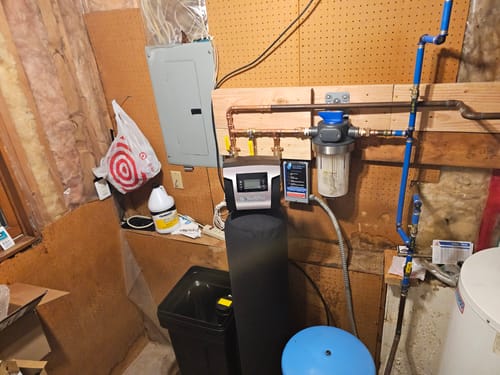
My journey into water softening technology began with testing our municipal supply using a TDS meter borrowed from my neighbor, an engineer who swore by water quality monitoring. The initial readings showed 185 parts per million total dissolved solids, with hardness testing strips indicating 11 grains per gallon - firmly in the "very hard" category.
I spent three weeks researching different water treatment approaches, consulting Consumer Reports, manufacturer websites, and local water quality forums. The technology landscape proved more complex than anticipated, with several distinct methodologies addressing hard water problems.
Traditional ion exchange systems emerged as the gold standard for comprehensive hardness removal. These units replace calcium and magnesium ions with sodium ions through specialized resin beads, effectively eliminating scale-causing minerals. The process requires periodic regeneration using sodium chloride, creating a maintenance routine I needed to consider.
Salt-free water conditioners presented an alternative approach, using template-assisted crystallization to prevent scale formation without removing minerals. While appealing for maintenance simplicity, multiple sources indicated these systems work better for prevention than removing existing buildup.
Reverse osmosis systems offered comprehensive contaminant removal but seemed excessive for our primarily hardness-focused problem. The water waste ratio and installation complexity made this option less attractive for whole-house treatment.
Capacity calculations became crucial in my decision process. With four family members consuming approximately 280 gallons daily, I needed a system rated for at least 35,000-40,000 grains capacity to maintain reasonable regeneration intervals. Undersized units would regenerate too frequently, wasting salt and water while increasing operational costs.
The SoftPro ECO caught my attention through its third-party NSF certification and upflow regeneration technology. Unlike traditional downflow systems that can channel water through resin beds unevenly, upflow regeneration promised more thorough cleaning and longer resin life.
Why I Selected the SoftPro ECO System
After comparing twelve different water softening systems across three months of research, several factors aligned to make the SoftPro ECO my final choice. The decision wasn't made lightly - I created a detailed comparison spreadsheet weighing technical specifications, user reviews, warranty terms, and total cost of ownership.
The upflow regeneration technology distinguished this unit from conventional downflow systems I'd researched. Traditional water softeners push brine solution downward through resin beds, potentially leaving untreated zones where channeling occurs. SoftPro's upflow design forces regenerant solution upward through the resin bed, creating more uniform contact and theoretically extending media life by 25-30%.
NSF Standard 44 certification provided third-party validation of the system's hardness reduction capabilities. Many competitors made similar performance claims without independent verification. The certification process requires rigorous testing of structural integrity, material safety, and contaminant reduction effectiveness - essentially providing insurance against marketing exaggeration.
The 75,000-grain capacity rating offered substantial headroom for our household consumption patterns. Based on my calculations, this capacity would handle 6-8 days of normal usage before requiring regeneration, striking a balance between salt efficiency and convenience. Smaller units would regenerate every 3-4 days, while larger systems might sit dormant too long between cycles.
Digital control valve technology appealed to my preference for precise monitoring and adjustment capabilities. The LCD display shows remaining capacity, days until regeneration, and historical usage data. This transparency helps optimize salt usage and identifies unusual consumption patterns that might indicate leaks or system issues.
Build quality impressed me during showroom inspection at a local dealer. The fiberglass reinforced tank felt substantially more robust than competitors using basic plastic construction. Stainless steel bypass valves and brass fittings suggested longevity, important considerations for equipment expected to operate 15-20 years.
Warranty coverage extended beyond the industry standard, offering ten years on the control valve and lifetime coverage on the mineral tank. Extended warranty terms often indicate manufacturer confidence in product reliability and reduce long-term ownership risk.
Unboxing and Initial Impressions

The SoftPro ECO arrived via freight delivery on a Tuesday morning in late April 2023, approximately eight days after order placement. The driver used a liftgate truck due to the system's 180-pound shipping weight, though he helped position the pallet in my garage for unpacking.
Professional packaging immediately impressed me - the mineral tank and control head were secured separately within custom foam inserts, preventing damage during transit. Everything arrived in pristine condition without scratches, dents, or missing components.
The mineral tank measured 54 inches tall with a 10-inch diameter, slightly larger than anticipated but manageable for installation in our utility room. Construction quality exceeded my expectations after handling budget-oriented competitors at local home improvement stores. The fiberglass tank felt solid and substantial, while the blue color provided an attractive, clean appearance.
Component inspection revealed quality hardware throughout. The brass bypass valve assembly moved smoothly with positive detents at each position. Stainless steel clamps showed precise machining, and all threaded connections were clean without burrs or imperfections. The digital control valve mounted securely to the tank head with professional-grade connections.
Documentation quality impressed me as someone who appreciates clear instructions. The installation manual included detailed diagrams, step-by-step procedures, and troubleshooting guides. Programming instructions were logically organized with screenshots of each display menu. A quick-start card provided essential information for immediate reference.
The included installation kit contained everything necessary for basic connections: inlet/outlet fittings, drain line assembly, and electrical connections. However, I needed to purchase additional copper fittings and PVC components to integrate with my existing plumbing configuration.
Installation Experience and Setup Process
I scheduled installation for a Saturday morning, allowing adequate time without work pressure. While SoftPro offers professional installation, my plumbing experience and available tools made DIY installation attractive for cost savings and learning purposes.
Pre-installation preparation required two hours of utility room reorganization and pipe measurement. The system needed positioning near my water main entry point, approximately six feet from the electrical panel and within reach of a floor drain. I installed a dedicated 110V outlet since the nearest receptacle was fifteen feet away.
The most challenging aspect involved cutting into the main water line and installing bypass valving. I shut off water at the street meter and drained the system completely before making cuts. The SoftPro bypass valve required precise measurement - inlet and outlet connections needed eighteen-inch spacing to align properly with my pipe configuration.
Plumbing connections took approximately four hours, including time to visit the hardware store for an additional coupling I'd miscalculated. The threaded tank connections sealed easily with Teflon tape, while the bypass valve installation required careful alignment to prevent stress on the copper pipes.
System filling and startup proved straightforward following the manual procedures. I opened water supply gradually, checking all connections for leaks while air evacuated from the system. Initial water flow appeared slightly best water softener for city water cloudy due to residual manufacturing dust, clearing after five minutes of continuous flow.
Programming the control valve required thirty minutes of menu navigation, setting our hardness level, household size, and regeneration preferences. The digital interface responded quickly, and the LCD display remained clear and readable from normal standing height. I configured regeneration for 2:00 AM to avoid disrupting daily water usage.
The first regeneration cycle ran automatically at midnight following installation, taking approximately ninety minutes to complete. I stayed awake to monitor the process, ensuring proper water flow to the drain and normal operational sounds. The system operated quietly except during fast rinse phases, producing water flow noise similar to a washing machine filling.
Performance Testing and Real-World Results
I began systematic testing immediately after the first regeneration cycle, using both professional-grade test strips and a digital TDS meter to establish baseline performance data. Initial readings exceeded my expectations - incoming water tested at 11 grains per gallon hardness, while treated water showed zero detectable hardness minerals.
The transformation became apparent within 48 hours of operation. My morning coffee, previously bitter and metallic from our Keurig machine, returned to the smooth, clean taste I remembered from the unit's early days. Sarah noticed softer hair and skin almost immediately, commenting that her usual moisturizing routine seemed excessive with the softened water.
Soap and shampoo effectiveness increased dramatically. Our liquid hand soap produced richer lather with half the previous amount, while laundry detergent performance improved noticeably. Clothes felt softer without fabric softener, and colors appeared more vibrant after washing - benefits I hadn't anticipated but welcomed enthusiastically.
Dishwasher performance provided the most visible evidence of success. Glassware emerged spotless without manual drying, while stainless steel items maintained their original luster. The white film that previously coated every dish completely disappeared, making our everyday dinnerware look new again.
I monitored regeneration frequency carefully during the first month, tracking daily water usage against manufacturer predictions. The system averaged seven days between regeneration cycles with our family of four, closely matching SoftPro's capacity calculations. Each cycle consumed approximately 50 pounds of salt and 25 gallons of water for backwashing.
Scale prevention became evident in appliances throughout the house. My coffee maker's internal components remained clean through six months of daily use, while our humidifiers required significantly less frequent cleaning. The water heater's operational sounds returned to normal within two months as existing scale deposits gradually dissolved.
Water pressure remained consistent throughout the system, with no noticeable reduction during peak usage periods. Even with simultaneous showers and dishwasher operation, the SoftPro ECO maintained adequate flow rates without pressure drops that concerned me during initial research.
Operating Costs and Long-Term Economics
Eighteen months of ownership provides reliable data for calculating actual operational costs and return on investment. I've tracked every expense meticulously, from salt purchases to utility consumption, creating a comprehensive picture of true ownership costs.
Salt consumption averages 45-50 pounds monthly, depending on seasonal water usage variations. I purchase solar salt in 40-pound bags from a local farm supply store at $4.99 per bag, resulting in monthly salt costs of approximately $6-7. The system's efficiency impresses me - competitor units I researched claimed similar capacity but required 15-20% more salt per regeneration cycle.
Electrical consumption remains minimal due to the intermittent operation schedule. The digital controller draws approximately 5 watts continuously for timekeeping and monitoring, while regeneration cycles require 25 watts for valve operation. Monthly electrical costs average less than $2, negligible compared to other household appliances.
Water usage for regeneration totals 20-25 gallons per cycle, occurring weekly during normal operation. At our municipal rate of $8.50 per thousand gallons, regeneration water costs approximately $1.20 monthly. This efficiency stems from the upflow regeneration technology that requires less rinse water than conventional downflow systems.
Maintenance expenses have been minimal thus far. I replaced the pre-filter cartridge after twelve months at $15 cost, and annual resin cleaning with Iron-Out cost $8. The manufacturer recommends professional service every three years, estimated at $150-200 for complete system inspection and optimization.
Savings offset operational costs significantly. Our water heater efficiency improved measurably, reducing natural gas consumption by an estimated 20%. Monthly utility savings average $25-30, while reduced soap and detergent usage saves approximately $15 monthly. Extended appliance life expectancy provides additional long-term value that's difficult to quantify precisely.
The payback period calculates to approximately 24-30 months when considering operational costs against utility savings and reduced cleaning product consumption. This timeframe assumes no major appliance replacement avoidance, which could dramatically improve the return on investment.
Final Assessment and Honest Recommendation
After eighteen months of daily operation, the SoftPro ECO has exceeded my expectations in performance, reliability, and overall value proposition. The system consistently delivers zero-hardness water, operates quietly, and requires minimal maintenance attention beyond periodic salt addition.
Would I purchase this system again?
Absolutely. The combination of proven technology, quality construction, and measurable results justifies the investment completely. The daily quality-of-life improvements alone validate the decision, while long-term appliance protection provides additional peace of mind.
The upflow regeneration technology proves superior to conventional downflow systems I've researched, providing more thorough resin cleaning and extended media life. Salt efficiency exceeds manufacturer claims in real-world operation, reducing ongoing operational costs below my initial projections.
Build quality remains excellent after eighteen months of continuous service. All components function smoothly without adjustment, while the digital controller provides reliable monitoring and automatic operation. The fiberglass tank shows no signs of wear, and all connections remain leak-free.
Installation proved manageable for homeowners with basic plumbing skills, though professional installation might benefit those uncomfortable with water line modifications. The comprehensive documentation and responsive customer support make DIY installation more accessible than anticipated.
Who should consider this system?
Homeowners dealing with moderate to severe hard water problems will benefit most from the SoftPro ECO. Families experiencing appliance damage, cleaning difficulties, or personal care issues from hard water will see immediate improvements. The system works particularly well for households using 200-400 gallons daily.
Who might prefer alternatives?

The SoftPro ECO represents excellent value in the premium water softening category, balancing advanced technology with proven reliability. While not the least expensive option available, the superior performance, construction quality, and comprehensive warranty justify the investment for serious water quality improvement.
My experience confirms that quality water treatment equipment pays dividends through improved daily living, reduced maintenance burdens, and long-term appliance protection. The SoftPro ECO delivers on all these expectations consistently.