
Hi, I'm Jun Tao. I live in Connecticut.
Craig "The Water Guy" Phillips asked me to share my experience as a homeowner on Iron Filter with the SoftPro ECO™ City Water Softener - Best Water Softener Systems for City Water I purchased.
This is how my adventures played out. I hope this helps you in your decision.
Did you know that even city-treated water can contain enough hardness minerals to wreak havoc on your home's plumbing and appliances?
I certainly didn't until I started noticing the telltale signs throughout my Connecticut home. White, chalky buildup around faucets that seemed impossible to clean. My coffee maker constantly clogging with mineral deposits. Glassware coming out of the dishwasher with spots that made them look dirtier than when they went in.
But what really got my attention was when our water heater technician mentioned during a routine maintenance call that the mineral buildup inside was significant for a unit that was only three years old. "You've got hard water," he said matter-of-factly. "This thing's aging faster than it should be."
That comment sparked a research journey that led me to purchase the SoftPro ECO City Water Softener six months ago. After extensive real-world testing and daily use, I'm ready to share exactly what this system delivers—both the impressive results and the honest limitations I've discovered.
The Hard Water Problem That Changed Everything
Living in Connecticut, I assumed our municipal water treatment would handle everything. I was wrong. Our city provides safe, clean water, but they don't remove the naturally occurring calcium and magnesium that make water "hard." These dissolved minerals are perfectly safe to drink, but they create expensive problems throughout your home.
My wake-up call came through a series of frustrating discoveries over several months. First, I noticed our stainless steel sink developing a cloudy film that regular cleaning couldn't remove. Then my wife started complaining about how her hair felt after shampooing—dry and difficult to manage despite using premium products.
The breaking point was our dishwasher. Despite using rinse aid and premium detergent, every load came out spotted. Glassware looked terrible, and I found myself hand-drying everything to avoid the embarrassment when guests came over. I even tried different detergent brands and cleaning cycles, but nothing helped.
When I tested our water with a basic hardness test kit, the results showed 12 grains per gallon—moderately hard water that explained every frustration I'd been experiencing. The calcium and magnesium ions were interfering with soap effectiveness, leaving mineral deposits on everything they touched, and slowly building scale inside our appliances and plumbing.
I calculated that we were probably looking at premature replacement of our water heater, dishwasher, and washing machine if we didn't address the hardness issue. The cost of doing nothing was becoming clear: thousands in early appliance replacement, higher utility bills from scale-clogged heating elements, and the ongoing frustration of fighting mineral deposits throughout the house.
Research Journey: Finding the Right Solution
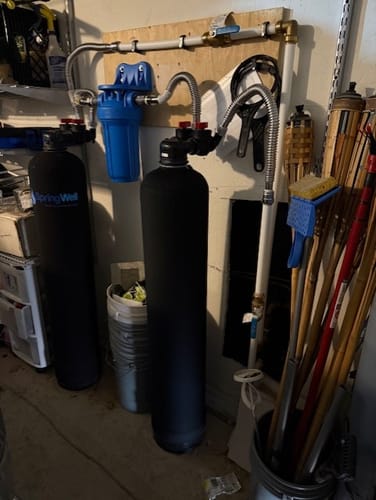
Once I understood we had a hard water problem, I dove into research mode. I wanted to understand not just what products were available, but how different water softening technologies actually worked and which approach made sense for our situation.
The science behind water softening fascinated me. Ion exchange systems use specialized resin beads that attract calcium and magnesium ions and exchange them for sodium ions. Salt-free systems use different approaches—some try to crystallize minerals so they don't stick to surfaces, while others use electromagnetic fields or catalytic media.
For city water applications, traditional salt-based ion exchange systems consistently received the highest ratings from both independent testing organizations and actual users. The technology is proven, reliable, and produces measurably soft water. Salt-free systems had mixed reviews, with some users reporting minimal improvement for their particular water conditions.
I evaluated several factors in my decision process: system capacity, regeneration efficiency, build quality, warranty coverage, and manufacturer reputation. Our household of four uses approximately 280 gallons per day, and with 12 GPG hardness, I calculated we needed a system capable of removing about 3,360 grains of hardness daily.
The SoftPro ECO stood out for several reasons. The 32,000-grain capacity provided comfortable headroom for our usage patterns. The metered regeneration system only runs cleaning cycles when actually needed, rather than on a fixed schedule, which reduces salt and water consumption. The digital control head offered programming flexibility, and SoftPro's reputation for manufacturing quality American-made systems gave me confidence in long-term reliability.
What sealed the decision was the comprehensive warranty coverage and the system's NSF certification for performance standards. After weeks of research, I felt confident this system would solve our hard water problems without creating new complications.
Unboxing and First Impressions
The SoftPro ECO arrived via freight delivery in professional packaging that immediately suggested quality. The main tank, control head, and bypass valve were securely packed with detailed documentation and a comprehensive installation manual.
My first impression handling the components was positive. The fiberglass tank felt substantial and well-constructed, with a smooth finish and professional appearance. The control head featured a clear digital display and intuitive button layout. The bypass valve was solid brass construction—definitely not the plastic components I'd seen on some budget systems.
Everything was included for a complete installation: tank, control head, bypass valve, drain line fitting, brine tank with salt grid, and detailed instructions. The manual was clearly written with good diagrams, though I'd already decided to hire a plumber for the installation.
The brine tank was larger than I'd anticipated, requiring a reassessment of my utility room layout. It's not huge, but you definitely need to plan adequate space. The tank quality was excellent—thick walls and a sturdy construction that suggested it would last for years.
One detail I appreciated was the professional labeling and model information clearly displayed on the components. This wasn't a generic system with minimal identification—everything was properly marked with specifications, certifications, and contact information.
Installation Experience and Setup Process

I hired a local plumber experienced with water treatment systems for the installation, which proved to be a wise decision. While the SoftPro ECO is designed for straightforward installation, proper plumbing connections and positioning are critical for optimal performance.
The installation took approximately three hours, which included installing the bypass valve in our main water line, positioning the system in our utility room, and completing all connections. The plumber commented positively on the component quality and the clarity of the installation instructions.
One challenge we encountered was the electrical connection for the control head. Our utility room didn't have a nearby outlet, so we had to run a dedicated circuit. This added to the installation cost but was necessary for proper operation. The control head requires constant power to maintain its programming and operate the metered regeneration system.
The initial programming process was straightforward using the digital control panel. We set the hardness level (12 GPG), programmed the regeneration time for 2:00 AM when we don't use water, and configured the salt dosage based on our local water conditions. The system performed an initial backwash and regeneration cycle, which took about 90 minutes.
Our plumber tested the installation for leaks, verified proper water flow through the system, and walked me through the basic operation and maintenance procedures. He also explained how to monitor the system's performance and when to add salt to the brine tank.

The first soft water flowing from our taps was immediately noticeable. It felt different—smoother and more slippery than our previous hard water. This "slick" feeling is normal with softened water and something you adjust to quickly.
Performance Analysis: Six Months of Real-World Results
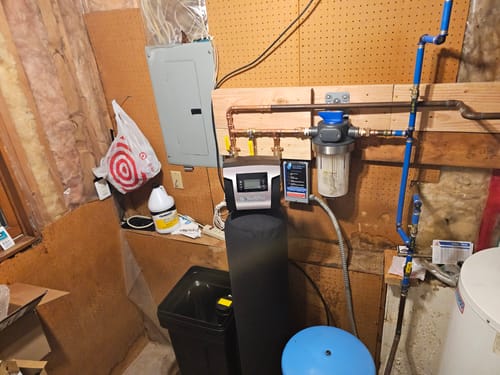
After six months of daily operation, I can provide detailed insights into how the SoftPro ECO performs in real-world conditions. The results have been consistently impressive across multiple measurable criteria.
Water Quality Improvements:
Using a digital TDS meter and hardness test strips, I've tracked our water quality monthly. The system consistently reduces hardness from 12 GPG to less than 1 GPG—essentially zero hardness. Total dissolved solids increased slightly due to the sodium ions replacing calcium and magnesium, but this is normal and expected with ion exchange systems.
Appliance and Fixture Impact:
The transformation in our dishwasher performance was dramatic. Glassware now comes out spotless without any manual drying or special treatments. The white film on our stainless steel sink disappeared completely within two weeks of installation. Our coffee maker hasn't required descaling once since the system was installed—previously a monthly necessity.
Personal Care Benefits:
Both my wife and I noticed significant improvements in hair and skin condition. Hair feels softer and more manageable, requiring less conditioner. Skin feels less dry, particularly in winter months when heating systems typically exacerbate dryness. Soap and shampoo create more lather with less product, providing noticeable cost savings on personal best softener care items.
Operational Efficiency:
The metered regeneration system has averaged one regeneration cycle every 6-7 days, consuming approximately 40 gallons of water and 6 pounds of salt per cycle. This efficiency matches the manufacturer's specifications and keeps operating costs reasonable. The system operates quietly—I only know it's regenerating because I programmed it to run at 2 AM and occasionally hear the water flow.
System Reliability:
Over six months, the system has operated flawlessly without any service calls or troubleshooting needs. The digital display provides clear information about remaining capacity and system status. Programming has remained stable without any power-related resets or configuration losses.
Daily Living Impact and Household Benefits
The SoftPro ECO's impact extends beyond technical specifications into meaningful improvements in daily household life. These changes have accumulated into substantial quality-of-life improvements that justify the investment.
Kitchen and Cleaning Transformations:
Cooking and kitchen cleanup have become noticeably easier. Dishes require less detergent and rinse cleaner without spots or residue. Our stainless steel appliances maintain their shine with simple wiping instead of requiring special cleaners. Ice cubes from our refrigerator are crystal clear instead of cloudy, and beverages taste cleaner without the mineral aftertaste.
My wife has reduced her dishwasher detergent usage by roughly half while achieving better results. We've also eliminated the need for rinse aid and special glass cleaners—significant ongoing savings that add up over time.
Bathroom and Personal Care Improvements:
Shower doors stay cleaner longer without the constant battle against water spots and mineral buildup. Faucets and fixtures maintain their shine with regular cleaning instead of requiring harsh descaling products. Soap scum formation has decreased dramatically, making weekly bathroom cleaning much less labor-intensive.
Both of us use less shampoo and soap while achieving better results. Hair color lasts longer without the dulling effects of mineral buildup, and my wife's expensive hair treatments now perform as intended without hard water interference.

Clothing comes out of the washing machine feeling softer and looking brighter. We've been able to reduce fabric softener usage and eliminate the need for special hard water detergents. White clothing stays whiter longer, and colored fabrics haven't experienced the gradual dulling that hard water typically causes.
Towels and linens feel more luxurious and maintain their texture longer. We've noticed that clothing seems to last longer without the mineral buildup that can make fabrics feel stiff and wear out faster.
Operating Costs and Efficiency Analysis
Understanding the true cost of ownership was important for evaluating the SoftPro ECO's value proposition. After six months of operation, I can provide accurate data on ongoing expenses and efficiency metrics.
Salt Consumption and Costs:
The system uses approximately 25-30 pounds of salt monthly for our family of four with moderate hard water. Using high-quality solar salt at $5 per 40-pound bag, monthly salt costs average around $4-5. This efficiency is better than I expected and significantly lower than some older systems that regenerate on fixed schedules regardless of actual usage.
Water and Electricity Usage:
Each regeneration cycle consumes about 40 gallons of water for backwashing and rinsing. With weekly regeneration, this adds roughly 160 gallons monthly to our water bill—approximately $2-3 in additional water costs. Electricity consumption is minimal; the control head uses about the same power as a digital clock.
Maintenance and Service Costs:
Six months in, maintenance has consisted only of adding salt and occasionally cleaning the brine tank. No service calls or replacement parts have been needed. The system's self-diagnostic capabilities and robust construction suggest minimal future maintenance requirements.
Cost Savings Generated:
We've documented several areas of cost savings that offset operating expenses. Reduced soap, shampoo, and detergent usage saves approximately $15-20 monthly. Elimination of special cleaning products for mineral buildup saves another $10 monthly. Most importantly, we're protecting our appliances from scale damage that could cost thousands in premature replacements.
Total Cost Analysis:
Monthly operating costs total approximately $10-15, while savings from reduced product usage and appliance protection easily offset these expenses. The payback period for the initial investment appears to be 3-4 years when factoring in all cost considerations.
Honest Assessment: Limitations and Considerations
While my experience with the SoftPro ECO has been overwhelmingly positive, honest evaluation requires acknowledging some limitations and considerations that potential buyers should understand.
Space Requirements:
The system requires dedicated floor space for both the main tank and brine tank. In smaller utility rooms, the footprint might be challenging. The brine tank needs periodic access for salt addition, so you can't just tuck it into a corner and forget about it.
Installation Complexity:
While not exceptionally complicated, installation does require plumbing modifications and electrical access. DIY installation is possible for handy homeowners, but professional installation provides peace of mind and ensures optimal performance. This adds to the initial cost but is probably worth the investment.
Sodium Considerations:
The ion exchange process adds sodium to your water supply. For most people, this isn't a health concern, but individuals on strict low-sodium diets should consult healthcare providers. The amount is relatively small—roughly equivalent to what's naturally present in many municipal water supplies.
Regeneration Water Usage:
The weekly regeneration process uses additional water for backwashing and rinsing. While the SoftPro ECO is efficient compared to older systems, this does add to monthly water consumption. For households trying to minimize water usage, this is worth considering.
Learning Curve:
Understanding optimal programming and recognizing normal system behavior takes some time. The digital controls are intuitive, but maximizing efficiency requires learning about your household's specific usage patterns and adjusting accordingly.
Salt Management:
Regular salt addition is required—typically monthly for most households. Salt bags are heavy (40 pounds), and storage requires dry conditions. This isn't difficult maintenance, but it is ongoing responsibility that some homeowners might find inconvenient.
Final Verdict: Six Months Later
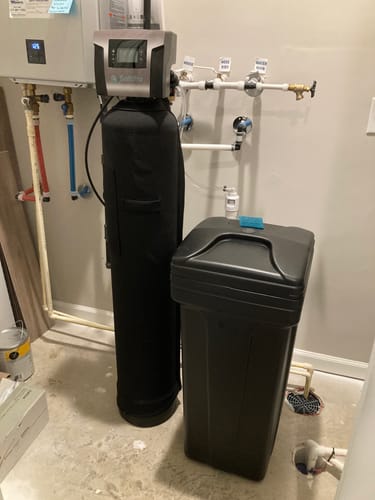
After six months of daily operation, the SoftPro ECO City Water Softener has exceeded my expectations in virtually every measurable category. The system has consistently delivered the soft water quality it promised while operating reliably and efficiently.
Key Accomplishments:
The transformation in our home's water quality has been comprehensive. Hard water problems that plagued us for years—spotted glassware, mineral buildup, appliance scaling, and poor soap performance—have been completely eliminated. The system operates quietly, efficiently, and reliably without requiring constant attention or maintenance.
Value Proposition Delivered:
Beyond solving our immediate hard water problems, the SoftPro ECO is protecting our substantial investments in appliances and plumbing systems. The monthly operating costs are reasonable and largely offset by savings in cleaning products and improved appliance efficiency.
Quality of Life Improvements:
The daily benefits—better hair and skin condition, spotless dishes, easier cleaning, softer laundry—have become the new normal in our household. These might seem like small improvements individually, but collectively they represent a significant enhancement in home comfort and convenience.
Long-term Confidence:
The system's build quality, warranty coverage, and consistent performance give me confidence in its long-term reliability. SoftPro's reputation and the NSF certification provide additional assurance that this investment will continue delivering value for years to come.
Would I Purchase Again?
Absolutely. Knowing what I know now about the system's performance and benefits, I would make the same purchase decision without hesitation. The SoftPro ECO represents excellent value for households dealing with moderate to severe hard water conditions.
Who Should Consider This System:
The SoftPro ECO is ideal for households with city water containing moderate hardness levels (5-15 GPG), families frustrated with hard water's impact on cleaning and personal care, and homeowners seeking to protect appliance investments from scale damage. If you value reliability, efficiency, and comprehensive hard water solution, this system delivers on all fronts.
For Connecticut homeowners or anyone dealing with similar hard water challenges, the SoftPro ECO City Water Softener has proven to be a worthwhile investment that continues paying dividends every day.